Any links to online stores should be assumed to be affiliates. The company or PR agency provides all or most review samples. They have no control over my content, and I provide my honest opinion.
Following my review of the excellent Blink XT, I was quite excited to try out the Canary Flex. Priced at £199 it is a premium looking product with some promising features that could justify the extra cost over the Blink XT or the identical cost of the Netgear Arlo.
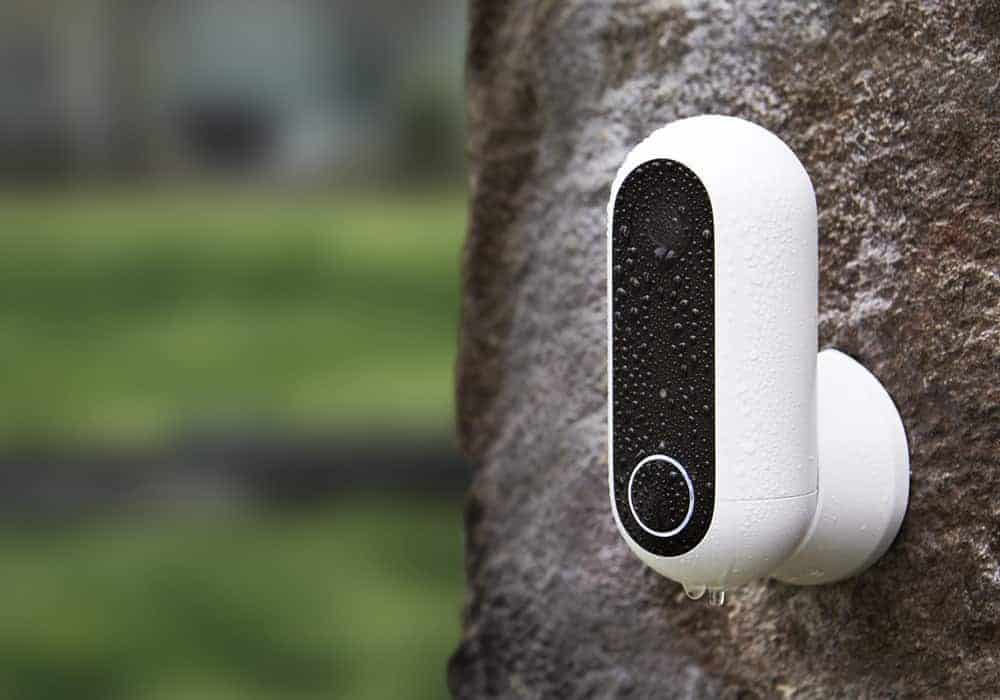
The device itself is quite attractive as far as security cameras go, and it has a nice weighty feel, the overall build quality is far superior to the Blink. Unlike Blink and Arlo the Canary uses a built-in lithium-ion battery and can be used in wired or wire-free mode. Having the option to work as a wired camera or wire free is obviously excellent, but the removable batteries of both the Arlo and Blink make using them preferably in a wire-free environment.
Similar to the Arlo, the Canary attached to its base with a strong magnet, and this allows you to adjust the camera to almost any position. This is fantastic for indoor use, but as this is targeted for outdoor use, the mount just isn’t secure enough to be exposed to the environment or potential intruders.
Set up
When setting it up, I did temporarily use this mount, placing it on a window ledge stuck down (so I didn’t have to drill more holes in my brickwork). One of the issues I found was that the IR sensor is located quite close to the base, so while you can have unlimited adjustments, if you lean the camera too far forward it will negatively affect the IR illumination and detection. This led me to buy one of the secure mounts which is an additional £29.99, and I wouldn’t say it is overly secure, you still want it way out of harms reach. Canary does have some innovative mounts though, such as a garden take and twisty mound that allows you to wrap it against posts/branches.
Unlike the other two brands, the Canary is an all in one unit, so you don’t have to worry about finding somewhere to plug in the base module. Setting it up is relatively simple, as with most well-made cameras nowadays. Just sign up, and follow the instructions. It took me less than 5 minutes to set up, though the firmware update did take a while.
After I had set up the camera, I was offered to sign up for the premium service, which costs £7.99 per month for up to 5 devices. In comparison, the Blink is free to use as recordings are kept on the device and Arlo is £6.49 for up to 10 cameras. Unfortunately, what is quite annoying is that the free plan Canary offers severely limits the functionality of the device, with this option you get 30-second clips and 1-day video history. There is not two-way talk, desktop streaming, or unlimited downloads. As I trialled the premium service, I am not 100% sure what the limitation would be on the downloads. In comparison, the Arlo basic plans offer seven days full recordings but with a 1GB limit, which should be enough for most users as long as you review the footage frequently.
Performance
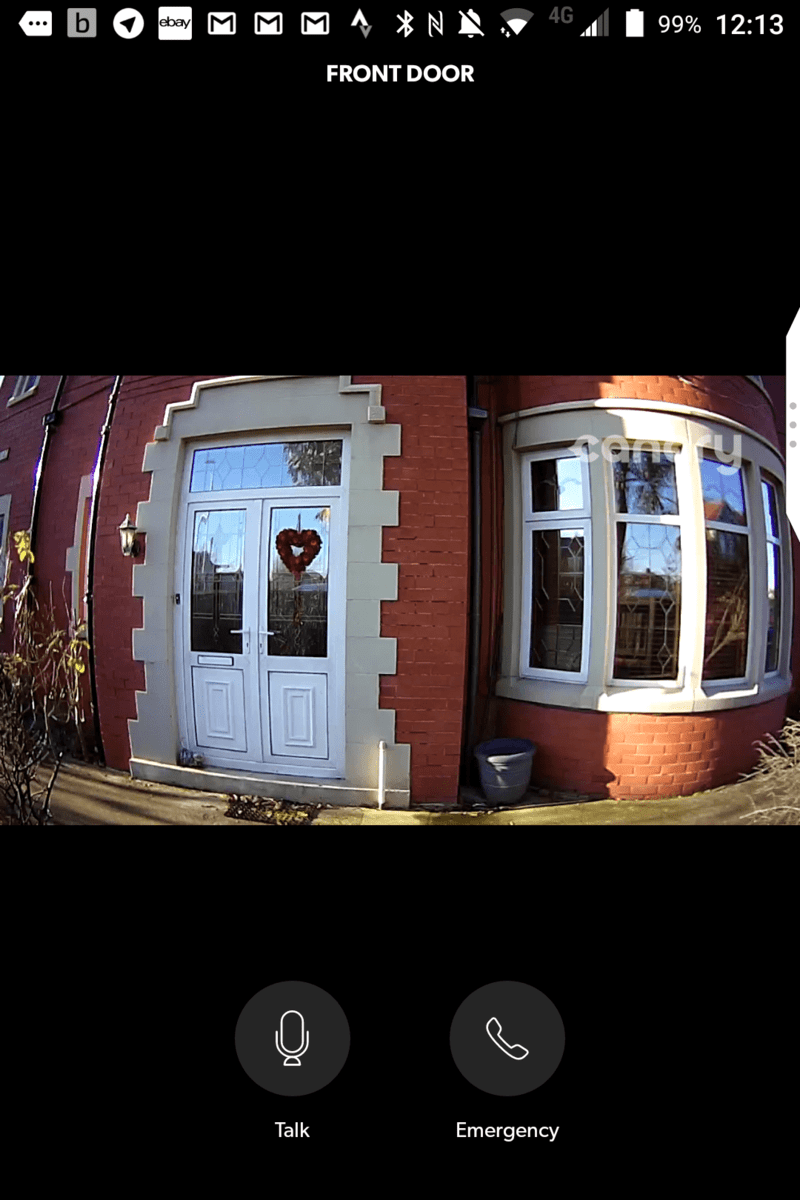
When I initially set up the camera on a window ledge, it partially faced the road, this then generated a large number of recordings, and my battery dropped to 50% in 2 days. Also, because the IR sensor was partially obstructed, night time recording was useless. Unlike the Arlo you cannot set trigger zones, so you need to think about the placement quite carefully. This led me to use the secure mount on a fence post facing my front door. In this position, the Canary performs much better, and the quality of both the daytime and nighttime recordings are excellent for a 720p camera. In this position, motion detection seems to be good, and I have only had a few false recordings.
App
The app itself is far prettier than the Blink system, but in reality, I found it harder to use than both the Blink and Arlo. Connecting to a live feed takes maybe 30 seconds as the app needs to wake the camera up making this feature almost useless is wire free mode. It is much faster in the wired mode, and also in this mode, you won’t have to worry about battery drain. When viewing videos in your timeline things are a bit faster, and you can make notes, tag videos, or make an emergency call. You can also download the video, but in order to do this, you first have to request the download then download it, which is an annoying, time-consuming process.
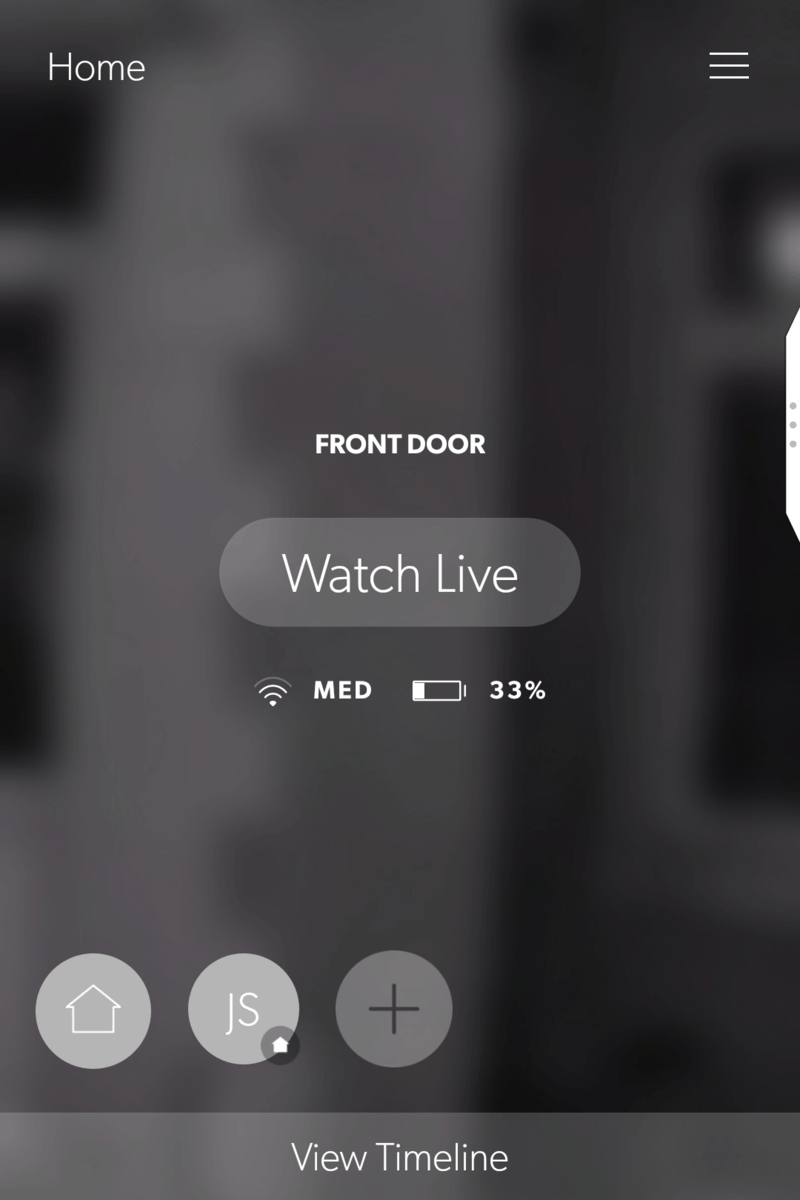

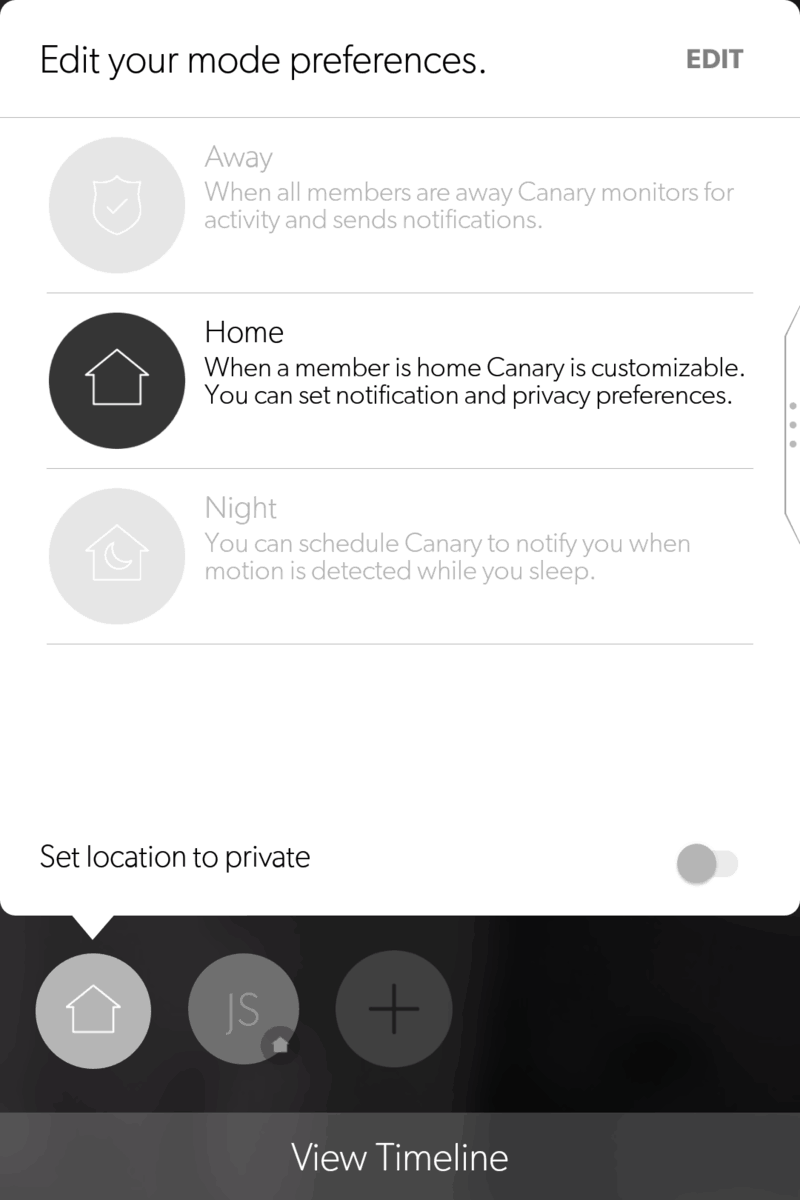
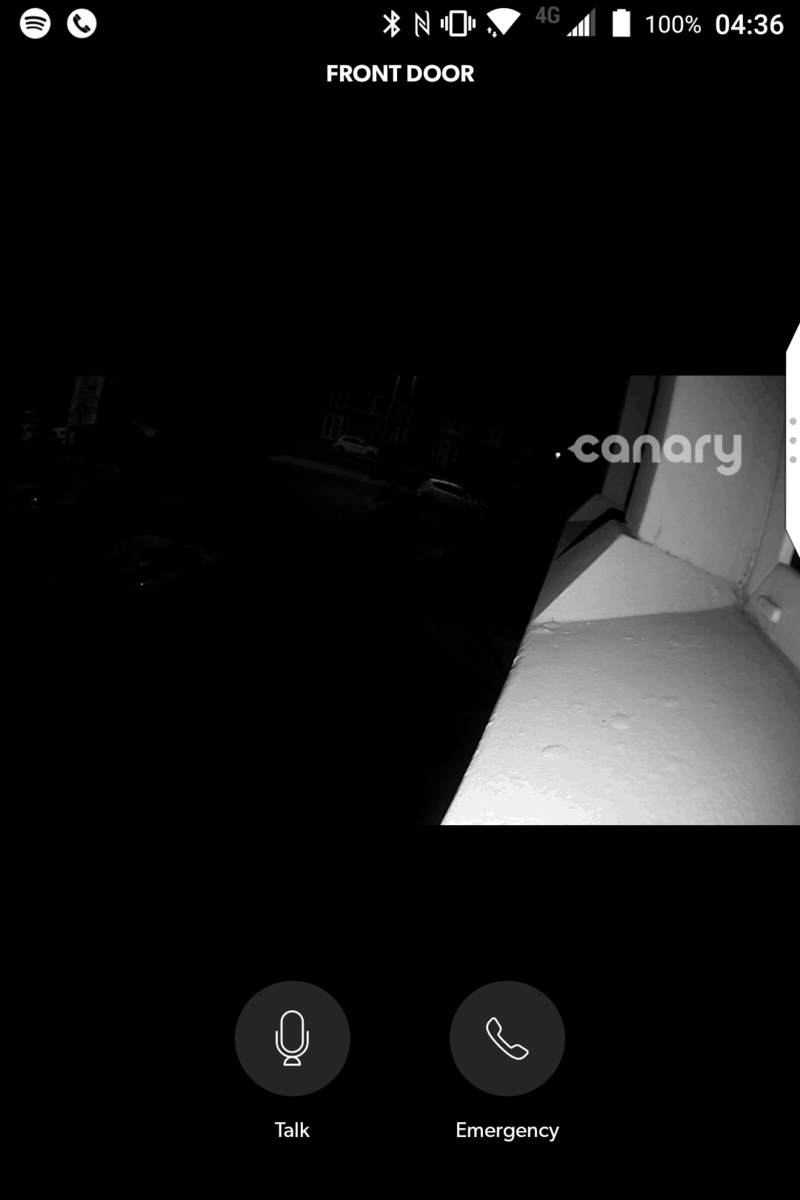
The app has some decent geofencing features and can detect when you are away or at home, it also has a night mode (restricted to premium users), so it can enable recording in the evening. I work from home and like to know if/when couriers have been so I ended up have motion and recording activated for all modes.
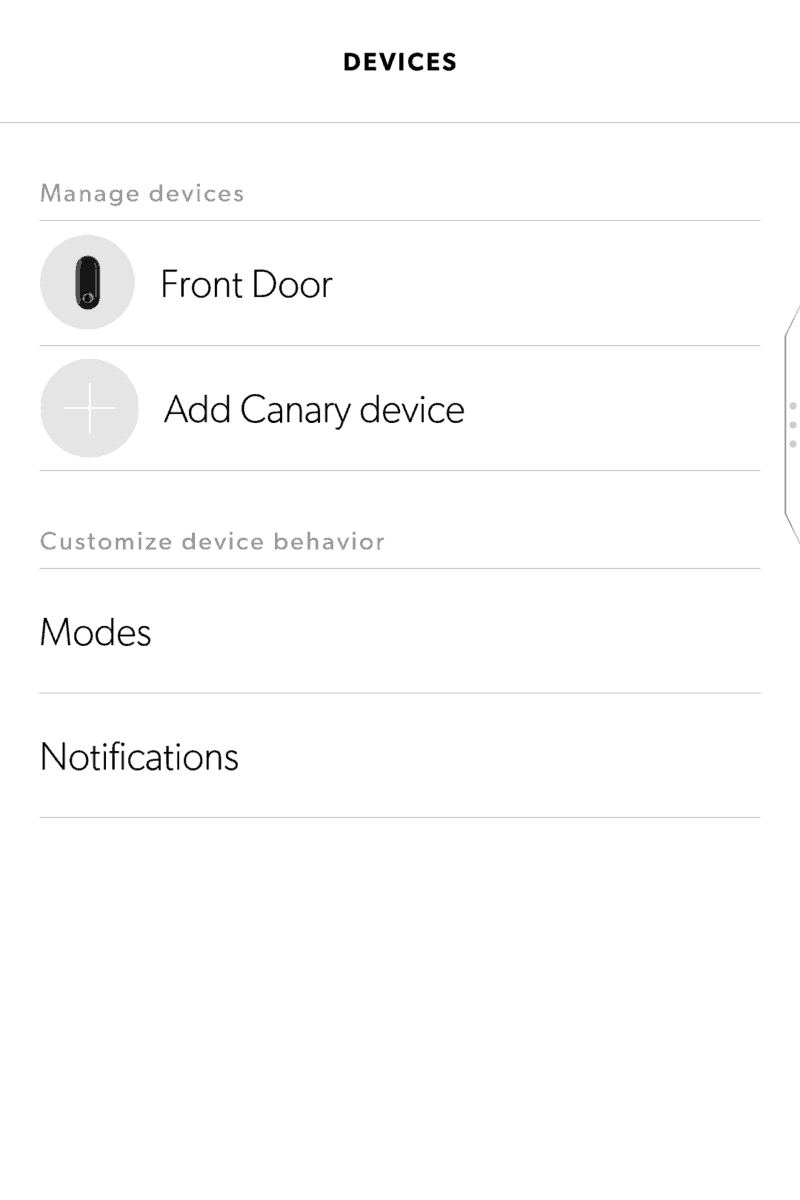
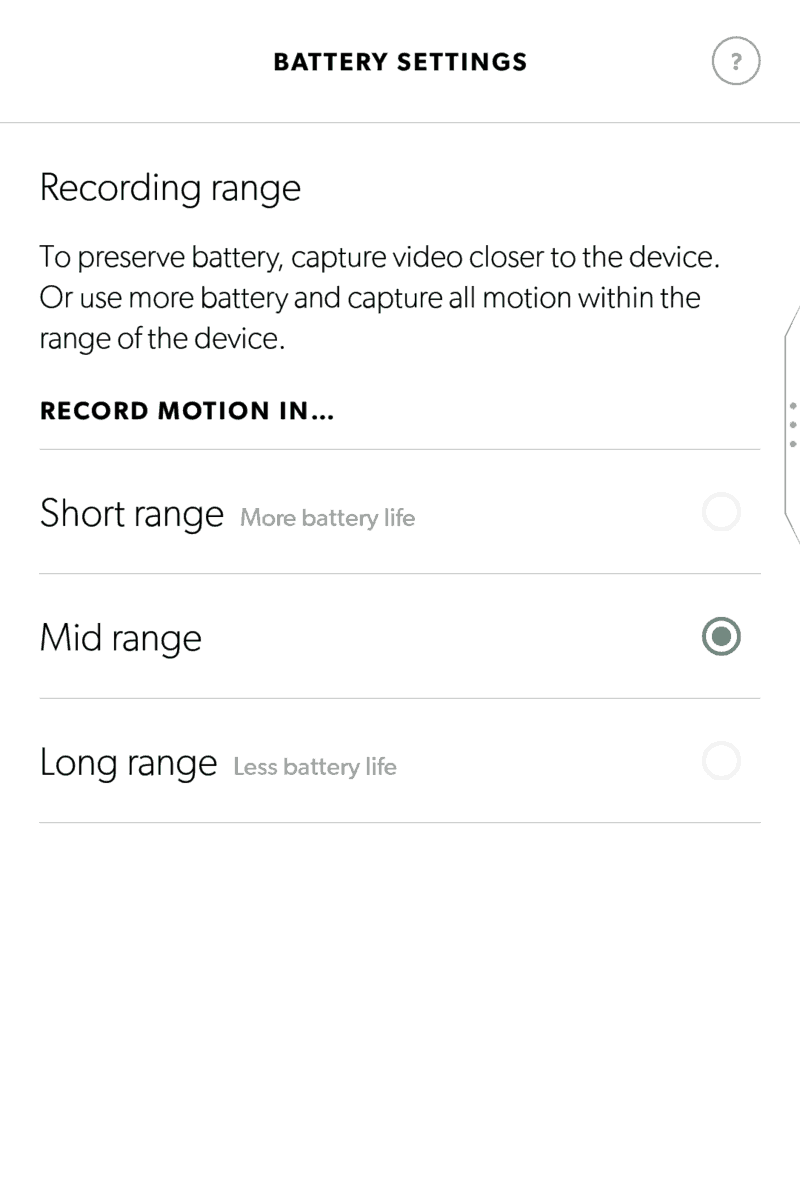
Another quirk of the app is that it isn’t immediately obvious that you can go into the device settings to tweak things. In fact, I wasn’t aware of this at all until I read user reviews. If you go into the devices menu, click on the device you have the option tot change its battery settings which allows you to capture video closer or further from the device.
Overall
The camera itself is very good, though it isn’t better than the Arlo, and it is not £50 better than Blink XT. The main issue is the subscription service if you want to use this camera you pretty much have to take this option which drives up the overall price considerably.
If you have already invested into Canary with their indoor system then I would say this is a good addition to the system, the camera works well and you can keep everything under one app.
For all other users, it is hard to recommend this over the other competing brands. Considering the user backlash in reviews, I would hope that Canary resolve this issue, and then it could be a decent option for an outdoor camera for everyone.
I have scored this product on the assumption you take out a subscription – which negatively affects the price, but positively affects the features and performance.
Canary Flex
Overall
70%-
Performance - 85%85%
-
Features - 75%75%
-
Price - 50%50%

I am James, a UK-based tech enthusiast and the Editor and Owner of Mighty Gadget, which I’ve proudly run since 2007. Passionate about all things technology, my expertise spans from computers and networking to mobile, wearables, and smart home devices.
As a fitness fanatic who loves running and cycling, I also have a keen interest in fitness-related technology, and I take every opportunity to cover this niche on my blog. My diverse interests allow me to bring a unique perspective to tech blogging, merging lifestyle, fitness, and the latest tech trends.
In my academic pursuits, I earned a BSc in Information Systems Design from UCLAN, before advancing my learning with a Master’s Degree in Computing. This advanced study also included Cisco CCNA accreditation, further demonstrating my commitment to understanding and staying ahead of the technology curve.
I’m proud to share that Vuelio has consistently ranked Mighty Gadget as one of the top technology blogs in the UK. With my dedication to technology and drive to share my insights, I aim to continue providing my readers with engaging and informative content.